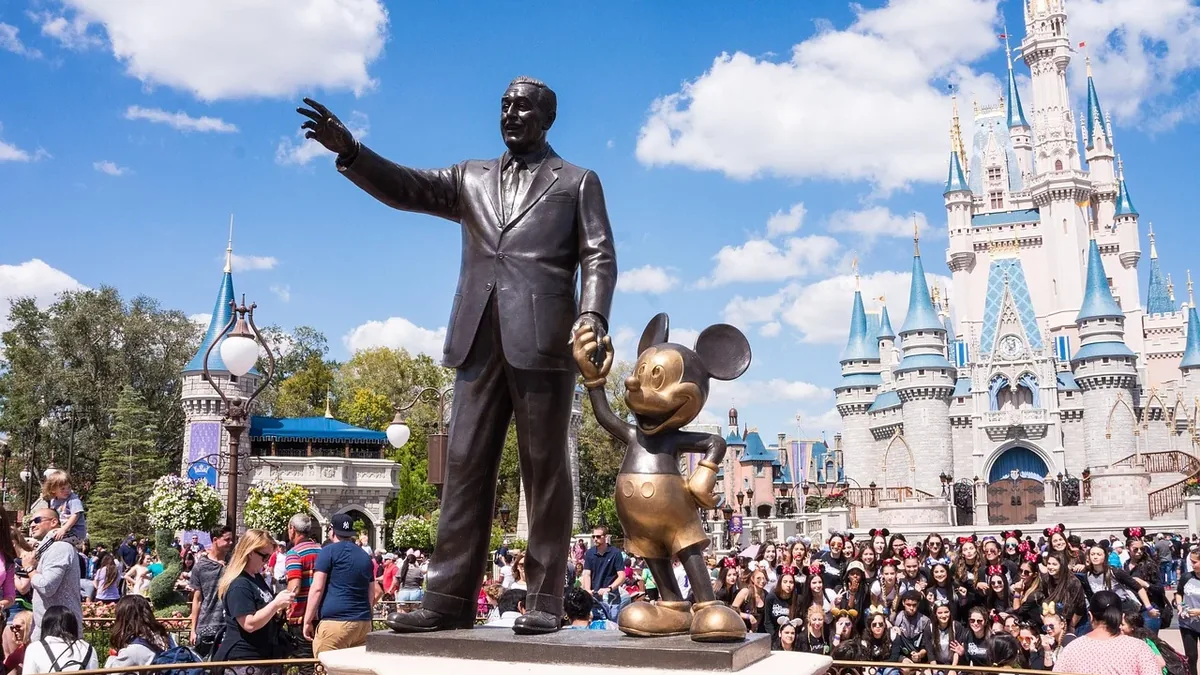
Disney
| Recall | Release date |
|---|
Origin and history
The Walt Disney Company originates from the United States, founded in the early decades of the 20th century. Its history begins with Walt Disney and his brother Roy O. Disney establishing the Disney Brothers Cartoon Studio in the 1920s. The company's first major breakthrough came with the creation of the character Mickey Mouse in the late 1920s, who starred in early synchronized sound cartoons. A pivotal moment in its history was the release of "Snow White and the Seven Dwarfs" in the 1930s, which was the first full-length cel-animated feature film. The company expanded significantly in the mid-20th century with the opening of Disneyland theme park in the 1950s, establishing a new model for family entertainment. Throughout the latter half of the 20th century and into the 21st, the company grew through strategic acquisitions of other major media entities, solidifying its position as a global entertainment conglomerate.
What it is for
The Walt Disney Company functions as a diversified multinational mass media and entertainment conglomerate. Its primary purpose is the creation and distribution of filmed entertainment, including animated and live-action feature films, television programming, and streaming content. A core function is the operation of theme parks and resorts, which provide immersive experiences based on its intellectual property. The company also engages extensively in consumer products licensing, allowing its characters and stories to appear on merchandise worldwide. Furthermore, it operates media networks, including broadcast and cable television channels, which distribute its content and generate advertising revenue. The company's activities are fundamentally aimed at family-friendly entertainment, though its portfolio includes content for broader audiences through its acquired subsidiaries.
Cast of Disney
As a corporation, Disney does not have a cast in the traditional sense, but its identity is built upon a vast repertoire of fictional characters and the creative talent behind them. Iconic animated characters created by the company include Mickey Mouse, Minnie Mouse, Donald Duck, Goofy, and Pluto, who form the core of its classic brand. The Disney Princess franchise comprises characters from various films, such as Snow White, Cinderella, Ariel, Belle, and Elsa, each originating from specific animated features. The company's acquisition of Pixar Animation Studios brought characters like Woody, Buzz Lightyear, and Nemo into its portfolio, while the purchase of Marvel Entertainment added superheroes like Iron Man, Captain America, and Spider-Man. The acquisition of Lucasfilm incorporated the characters of the Star Wars universe, including Luke Skywalker, Darth Vader, and Rey, into Disney's stable. Throughout its history, the company has also been associated with prominent voice actors, animators, and executives who have shaped its creative output.
Disney ending explained
As a corporate entity, Disney does not have a narrative ending to explain. However, a common thematic element in many classic Disney animated films is the "happily ever after" conclusion. These endings typically resolve the central conflict, often involving the defeat of a villain and the restoration of order or peace. The protagonist, frequently a royal figure or an underdog, usually achieves a personal goal such as finding true love, gaining freedom, or securing their rightful place in the world. This narrative structure provides emotional closure and reinforces traditional moral lessons about courage, kindness, and perseverance. The consistent use of such endings across decades has established a recognizable story formula that audiences associate with the Disney brand.
Overview
The Walt Disney Company is a preeminent global entertainment and media corporation with operations spanning film production, television, theme parks, and consumer products. Its business is structured into several key segments: Disney Entertainment, which includes its streaming services and film studios; ESPN, for sports broadcasting; Disney Parks, Experiences and Products; and its legacy media networks. The company's strategy heavily relies on leveraging its extensive library of intellectual property across all these platforms, a model known as synergistic cross-promotion. Its influence on global popular culture is profound, having shaped childhood experiences and entertainment norms for generations. The company faces the ongoing challenge of balancing its classic family-friendly image with the demands of a modern, diverse audience and a rapidly changing media landscape. Its financial and creative decisions are closely watched as indicators of trends within the broader entertainment industry.
What to know
The company's financial health and strategic direction are significantly influenced by the performance of its direct-to-consumer streaming services, particularly Disney+. Its theme park operations, located on multiple continents, are major revenue drivers but are sensitive to broader economic conditions and travel trends. Disney holds a vast copyright and trademark portfolio, vigorously protecting its characters and brands from unauthorized use, which is a cornerstone of its business model. The creative output is not monolithic; content from subsidiaries like Marvel, Lucasfilm, and 20th Century Studios often targets different demographics and tones than classic Disney animation. Corporate decisions, including executive leadership, acquisition strategies, and content release schedules, are subjects of intense scrutiny from investors, industry analysts, and fans. Understanding Disney requires viewing it as both a creative storyteller and a publicly traded corporation with obligations to shareholders.
Common questions
A frequent question concerns the chronological order of films within its major franchises, such as the Marvel Cinematic Universe or the Star Wars saga, which often have complex timelines. People commonly ask about the differences between visiting Disneyland Resort in California and Walt Disney World Resort in Florida, including scale, attractions, and logistical planning. Many inquire about the company's historical stance on copyright law, particularly its role in lobbying for extensions that keep early characters like Mickey Mouse from entering the public domain. Questions often arise about the availability of specific films or shows on its various streaming platforms, as the library rotates and licensing agreements change. There is consistent public interest in the development and opening timelines for new theme park lands, rides, and resort hotels. Others seek clarification on the company's corporate structure and how its different divisions, like Pixar or National Geographic, operate within the larger organization.
Pros and cons
The immense library of beloved characters and stories provides a deep well of content for new adaptations and experiences, ensuring strong brand recognition. A common drawback is the potential for creative homogenization, where corporate mandates for brand synergy or marketability can stifle innovative storytelling, leading to formulaic content. Consumers often regret the financial commitment required for full engagement, noting the high cost of park visits, merchandise, and the need for multiple streaming subscriptions to access all related content. A frequent mistake is underestimating the logistical and financial planning needed for a theme park vacation, which can lead to a stressful rather than magical experience. The company's dominant market position also draws criticism regarding its influence on cultural narratives and its competitive impact on smaller entertainment entities.
Who it suits
The company's products and experiences primarily suit families with children, as its core branding is built around age-appropriate, shared entertainment that appeals to younger audiences. Its theme parks are suited for those seeking immersive, meticulously themed vacations who are willing to pay a premium for convenience and atmosphere, though they can be overwhelming for visitors seeking a relaxed pace. Fans of specific franchises it owns, such as Star Wars, Marvel, or classic animation, will find dedicated content and merchandise that caters directly to their fandom. The streaming service Disney+ suits households looking for a largely family-friendly content library, though it may lack the breadth or mature offerings of other general entertainment platforms. Investors interested in the media and entertainment sector may consider the company a cornerstone holding due to its market stability and diversified assets, despite facing industry disruption. Its offerings are less suited for individuals seeking exclusively adult-oriented, niche, or avant-garde entertainment, as its mainstream appeal often prioritizes broad accessibility over edge or complexity.
Latest Disney news
Latest reporting

Rogue Squadron Cancellation Reveals Lucasfilm's Disney+ Series Rework
The Star Wars film Rogue Squadron, announced in 2020 for a 2023 release, was scrapped after being reworked into a Disney+ series.
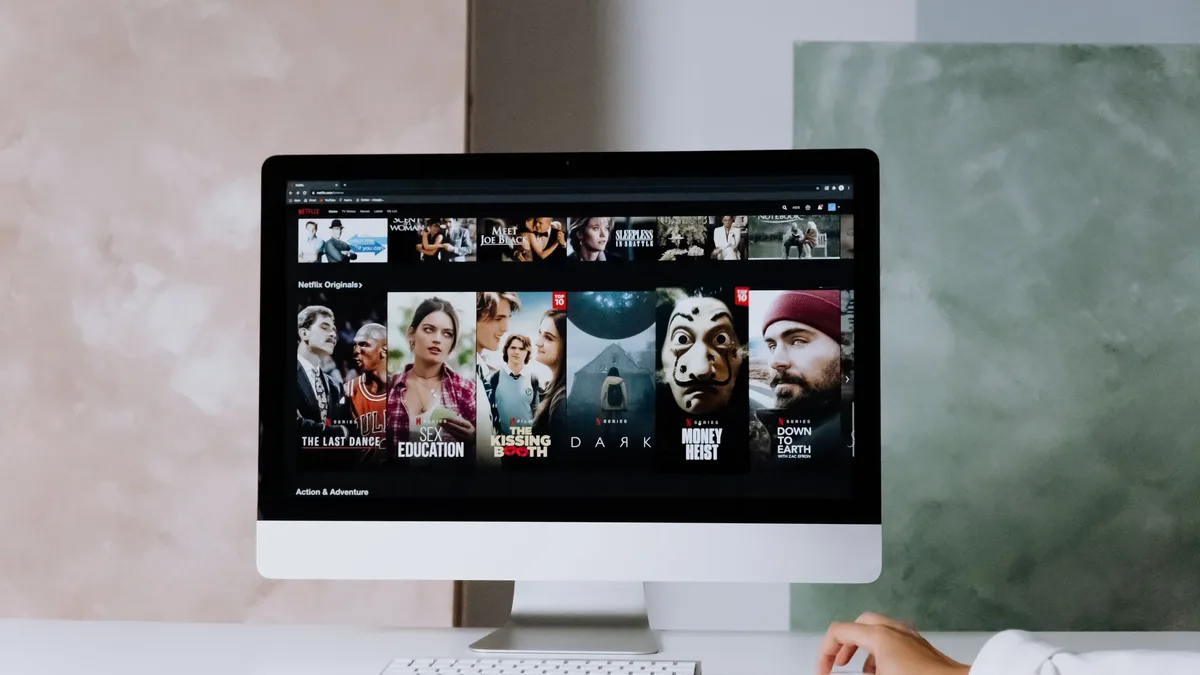
Scrubs Revival Season 2 Premieres September 30 on ABC
Zach Braff returns as J.D. In the second season of the Scrubs revival, premiering September 30 on ABC and streaming the next day on Hulu and Disney+.

Disney+ Previews Lavish K-Drama The Remarried Empress
Disney+ releases a special look featurette for its 2026 Korean fantasy series The Remarried Empress, starring Shin Min-a and Ju Ji-hoon.

Toy Story 5 Hits 30-Day Amazon VOD Milestone
Toy Story 5 has spent 30 consecutive days in Amazon's Top 25 VOD charts ahead of its Disney+ premiere. The film has grossed $1.14 billion globally...

VisionQuest to Revisit Iron Man's Endgame Death
The upcoming Disney+ series VisionQuest will revisit Tony Stark's death from Avengers: Endgame through the perspective of his AI, F.R.I.D.A.Y..
Wanda's MCU Return Teased for Avengers: Doomsday
A new theory suggests Scarlet Witch could return in Avengers: Doomsday, based on comic storylines and upcoming Disney+ series VisionQuest.