
Warner Bros
| Recall | Warner Bros |
|---|---|
| Founded | 1923 |
| Country of origin | United States |
| Original use | Film production and distribution |
| Headquarters location | Burbank, California |
| Key divisions | Warner Bros. Pictures, Warner Bros. Television, Warner Bros. Games |
| Notable franchises | DC Universe, Wizarding World, Looney Tunes |
| Status | Operating subsidiary of Warner Bros. Discovery |
Origin and history
Warner Bros. originates from the United States, specifically from the entrepreneurial efforts of four brothers born to Polish-Jewish immigrant parents. The company was formally founded in the early 1920s, marking its entry into the burgeoning American film industry. Initially, the Warner brothers operated a nickelodeon before moving into film distribution and production. A pivotal moment in its early history was the release of "The Jazz Singer" in 1927, which introduced synchronized dialogue and songs, heralding the commercial arrival of sound films. Throughout the 20th century, the studio expanded into animation, television production, and music, becoming one of the major Hollywood studios. Its corporate history includes mergers, acquisitions, and various ownership structures, reflecting the volatile nature of the entertainment industry.
What it is for
Warner Bros. functions as a major global film and entertainment studio, primarily engaged in the development, production, marketing, and distribution of feature films and television content. It serves to create commercial entertainment properties across various genres for worldwide theatrical and home viewing audiences. A core function is the management and exploitation of a vast library of intellectual property, including classic films, cartoons, and modern franchises. The studio also operates in the realm of video game publishing through its interactive entertainment division. Furthermore, it licenses its characters and brands for consumer products, theme park attractions, and other merchandising ventures. Its overarching purpose is to generate revenue through storytelling and brand management across multiple media platforms.
Cast of Warner Bros
The term "cast" in reference to Warner Bros. typically pertains to the creative talent involved in its productions, rather than a fixed group of individuals. Historically, the studio contracted numerous high-profile actors under exclusive studio contracts during the Golden Age of Hollywood. It has frequently collaborated with prominent directors, producers, and screenwriters across decades of filmmaking. In an institutional sense, key figures have included the founding Warner brothers, longtime studio executives, and influential animation directors like those behind the Looney Tunes characters. The "cast" also metaphorically includes its iconic fictional characters, such as Bugs Bunny, DC Comics superheroes like Batman and Wonder Woman, and characters from the Harry Potter and "The Matrix" franchises. These entities collectively form the public-facing ensemble of the Warner Bros. brand.
Overview
Warner Bros. is a diversified multinational entertainment conglomerate and one of the "Big Five" major American film studios. Its operations encompass film and television production, home media distribution, cable and broadcast television networks, and digital streaming services. The studio's output ranges from big-budget franchise blockbusters to prestige dramas, comedies, horror films, and animated features. It holds rights to valuable intellectual property portfolios, most notably from DC Comics and the Wizarding World, which are central to its strategic content planning. The company also faces the challenges and complexities inherent in the modern media landscape, including shifting theatrical windows and the rise of direct-to-consumer streaming. Its performance and release strategies are closely watched as indicators of broader industry trends.
What to know
Warner Bros. releases its films globally in theaters, with specific opening dates varying by region and often staged internationally before a North American premiere. Following theatrical runs, its films are typically made available for purchase or rental on digital storefronts and through video-on-demand platforms. Subsequent windows often include availability on the HBO Max streaming service (or its successor) and eventual licensing to other cable or streaming networks. Performance is measured by box office revenue, critical reception, awards recognition, and downstream revenue from home entertainment and licensing. The studio's financial success is heavily reliant on franchise films, though mid-budget and critically acclaimed titles also contribute to its slate. Understanding its parent corporate structure, currently under Warner Bros. Discovery, is essential for following its strategic decisions.
Common questions
Common questions often involve where to legally watch specific Warner Bros. films or series, which frequently depends on existing licensing agreements and regional availability. People frequently ask about release dates for announced films, especially within popular franchises like DC or "Fantastic Beasts," which are subject to change. Another recurring question concerns the studio's approach to simultaneous theatrical and streaming releases, a strategy that has evolved in recent years. Audiences often inquire about the continuation or cancellation of specific television series produced by the studio's television divisions. Questions also arise regarding the availability and restoration status of classic films from its deep library. Finally, many queries focus on the studio's plans for its various superhero properties within the DC Extended Universe.
Pros and cons
A significant pro of Warner Bros. The studio has a historical reputation for granting filmmakers a degree of creative freedom, leading to a diverse range of auteur-driven projects alongside commercial fare. However, a consistent con has been perceived instability and reactive decision-making in its management of major franchises, particularly with its DC Comics superhero universe, leading to inconsistent quality and fan disappointment. The studio has also faced criticism for its handling of theatrical release strategies, sometimes alienating theatrical exhibitors and confusing audiences with shifting policies on streaming access. Corporate mergers and restructuring have frequently led to project cancellations, shelved finished films, and abandoned development, wasting creative efforts. Those who regret engagement are often franchise fans who feel long-term storytelling has been sacrificed for short-term gains.
Who it suits
Warner Bros. content suits audiences seeking large-scale, effects-driven blockbuster entertainment, particularly from established franchises like DC, Harry Potter, and "The Lord of the Rings." It also suits viewers interested in a wide variety of genres, from horror to animated features to prestige drama, due to its historically broad production slate. The studio's output appeals to fans of specific directors and stars who have recurring partnerships with the company. Its deep classic film library suits cinephiles and historians interested in Hollywood's Golden Age and animation history. The brand suits consumers who prefer a centralized source for entertainment across film, television, and streaming, albeit within the constraints of its corporate strategies. Ultimately, it best suits the general movie-going public comfortable with mainstream Hollywood productions, rather than niche or exclusively arthouse audiences.
Latest Warner Bros news
Latest reporting

David Zaslav Exits Warner Bros. Discovery in Farewell Video
David Zaslav has recorded a farewell video for Warner Bros. Discovery employees as the company prepares for its $110 billion acquisition by Paramount.

Warner Bros. And Paramount Merge into Skydance
Warner Bros. and Paramount have merged under the new Skydance brand, with the deal set to close on October 6.

Paramount Skydance Secures $110bn Warner Bros Merger
A federal judge approved a settlement with state attorneys general, clearing the final hurdle for Paramount Skydance's $110 billion acquisition of...
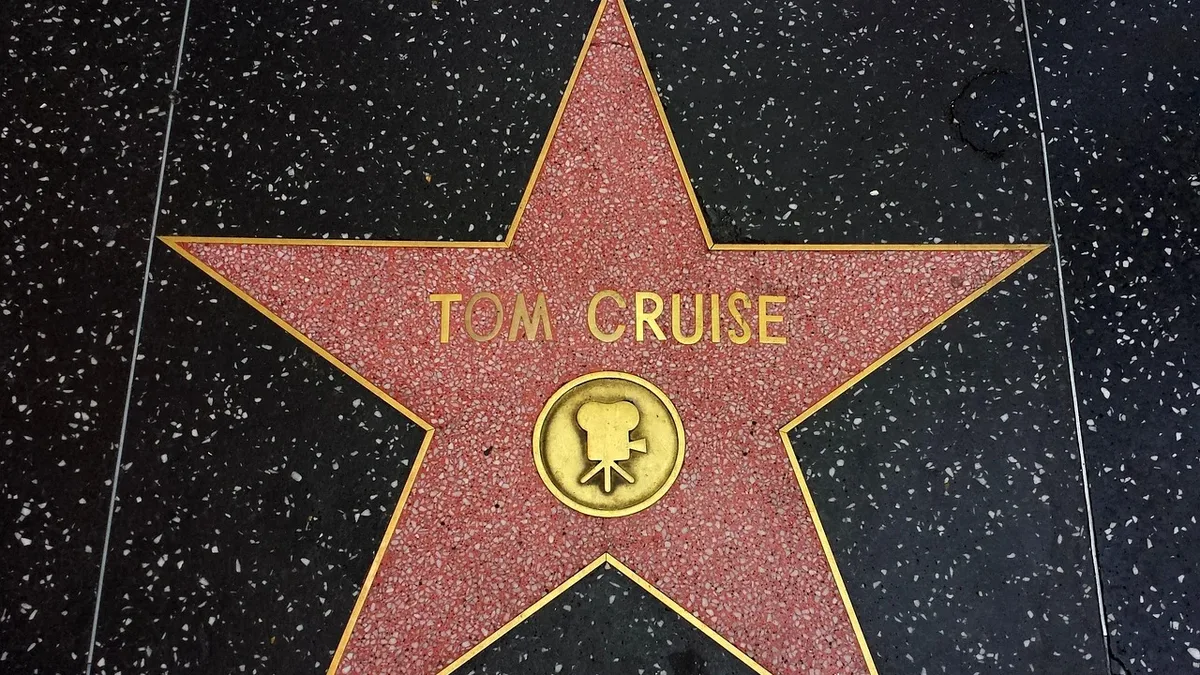
Tom Cruise Backs Paramount-Warner Merger
Tom Cruise has voiced support for Paramount's planned $110 billion acquisition of Warner Bros., calling it 'awesome' and endorsing the pledge to make...
Barbie 2 Stalls Over Salary Demands
Warner Bros' plans for a Barbie sequel are in jeopardy due to a dispute over salary demands. The studio is at odds with the film's director, Greta...
Warner Bros. Pulls Supergirl Featurette Amid AI Backlash
A behind-the-scenes video of the DC Studios' Supergirl movie has been removed from YouTube after it appeared to show director Craig Gillespie using...