Paramount
| Title | Paramount |
|---|---|
| Release date | 2025 |
| Streaming platform | Paramount+ |
| Box office performance | Not yet released |
| Country of origin | United States |
| First created | 2024 |
| Original use | Feature film |
Origin and history
Paramount Pictures Corporation is an American film and television production and distribution company. It was founded in the 1910s, making it one of the oldest surviving film studios in the United States. The company was established by Hungarian-born entrepreneur Adolph Zukor, who initially focused on film distribution and exhibition. Its iconic mountain logo, based on a childhood memory of founder W.W. Hodkinson, was adopted in the 1910s and has become one of the most recognizable symbols in global cinema. Throughout the 20th century, Paramount was a major player in the Hollywood studio system, producing countless classic films and navigating industry changes like the rise of television. Its corporate history includes mergers, acquisitions, and periods under various parent companies, solidifying its long-standing position in the entertainment landscape.
What it is for
Paramount Pictures is a major film and television studio responsible for the production, financing, and distribution of motion pictures and television series. Its primary function is to develop intellectual property, manage film productions, and market completed works to a worldwide audience through various channels. The studio distributes content theatrically to cinemas globally, which is a traditional and significant revenue stream for major feature films. Following theatrical windows, Paramount distributes content for home viewing via physical media, digital purchase, rental, and subscription streaming platforms. The company also operates in television production and distribution, supplying content to broadcast networks, cable channels, and streaming services. Furthermore, Paramount manages extensive licensing and merchandising operations based on its film and character franchises.
Cast of Paramount
As a film studio, Paramount does not have a fixed cast; the term refers to the ensemble of actors appearing in films produced or distributed by the studio. Throughout its history, Paramount has been associated with major stars from every era of Hollywood, including early icons like Mary Pickford and Gloria Swanson. The studio's roster in the classic Hollywood era featured luminaries such as Bob Hope, Bing Crosby, and Audrey Hepburn, many of whom worked under long-term contracts. In contemporary cinema, Paramount's major franchises have featured actors like Tom Cruise in the "Mission: Impossible" series and the ensemble casts of the "Transformers" and "Star Trek" film series. The studio also distributes films from affiliated production companies and labels, which brings a wide variety of acting talent under the Paramount banner. It is important to distinguish that "cast of Paramount" typically refers to actors in a specific Paramount film, not a permanent company employed directly by the studio itself.
Paramount ending explained
"Paramount ending explained" is a common search phrase referring to online articles and videos that dissect the conclusions of films released by Paramount Pictures. These explanatory pieces are created by third-party media and fan sites, not by the studio itself, to analyze plot points and thematic resolutions. They are particularly prevalent for films with ambiguous, twist, or complex endings that leave audiences with questions about narrative closure or character fates. For example, endings of Paramount-distributed films like "Inception" (though a Warner Bros. film, it is a common misconception), "Interstellar," or "Annihilation" have spawned extensive online discussion and explanation. The purpose of these articles is to provide audience clarification, explore symbolic meanings, and connect narrative dots that may not be immediately apparent after a single viewing. This phenomenon highlights the engaged fan culture surrounding modern cinematic storytelling and the demand for post-viewing analysis of major studio releases.
Overview
Paramount Pictures is a foundational pillar of the American film industry, operating as a full-scale producer and distributor of entertainment content. The studio maintains a vast library of historical and contemporary films and television series, representing a significant portion of 20th and 21st-century popular culture. Its business model encompasses the entire value chain of filmmaking, from development and production through to global marketing, theatrical distribution, and downstream ancillary windows. Paramount is also a key content supplier for the Paramount+ streaming service, which serves as a direct-to-consumer platform for its library and original programming. The studio's output ranges from big-budget franchise tentpoles and major award season contenders to mid-budget genre films and collaborative independent productions. Its enduring brand is synonymous with mainstream Hollywood cinema, despite the evolving economic and technological challenges facing the industry.
What to know
Paramount operates as a subsidiary of Paramount Global, a larger media conglomerate that also owns television networks like CBS and Nickelodeon. The studio's physical production facilities, Paramount Studios, are located in Hollywood, California, and have been in continuous operation since the early days of filmmaking. A key strategic partnership is its long-term distribution deal with Skydance Media, which has co-produced major franchises like "Mission: Impossible" and "Star Trek." Paramount's film library includes legendary titles such as "The Godfather" trilogy, "Chinatown," "Forrest Gump," and "Titanic" (via a past distribution deal). The performance of its films is closely watched by industry analysts, as box office successes or failures for its tentpole releases have significant financial implications for the parent company. Understanding Paramount requires viewing it as both a historic creative institution and a modern corporate entity navigating a highly competitive and fragmented media landscape.
Common questions
Common questions often involve the availability of Paramount's films on streaming platforms, particularly which titles are on Paramount+ versus licensed to other services. Audiences frequently ask about release schedules for upcoming installments in major franchises like "Mission: Impossible," "A Quiet Place," or "Sonic the Hedgehog." Many queries concern the studio's corporate history, such as the meaning and origin of its iconic mountain logo or its relationship with other Hollywood "golden age" studios. People often search for clarification on which production companies (e.g., Marvel Studios, Bad Robot) have distribution deals with Paramount for their films. Questions also arise about home media details, such as the differences between various Blu-ray editions or digital extras for specific Paramount releases. Furthermore, fans commonly inquire about the possibility of sequels, reboots, or franchise expansions based on dormant properties within Paramount's extensive film library.
Pros and cons
A significant pro of Paramount is its deep and valuable library of classic and modern films, which provides a stable foundation for revenue through licensing and streaming. The studio has demonstrated a strong ability to manage and extend major global franchises that deliver consistent box office performance over decades. However, a notable con is its historical inconsistency in developing new, original franchise properties, sometimes leading to periods of reliance on a few existing series. The studio has, at times, been criticized for greenlighting costly tentpole films that underperform financially, creating substantial financial write-downs. Some industry observers note that Paramount can be risk-averse, potentially passing on or mishandling innovative projects that later find success elsewhere. A common mistake for audiences is assuming all films marketed with the Paramount logo are produced by the studio, when many are merely distributed, leading to misplaced credit or blame for creative decisions.
Who it suits
Paramount's output primarily suits mainstream moviegoers seeking large-scale, high-production-value entertainment, particularly within established action, sci-fi, and adventure genres. The studio's franchise films are well-suited for audiences who enjoy recurring characters and expansive, familiar cinematic universes that deliver consistent stylistic and narrative expectations. Fans of classic Hollywood cinema are served by the studio's ongoing efforts to restore and re-release titles from its historic library through physical media and streaming. The Paramount+ streaming service suits viewers with a preference for the studio's specific brand of content, including its legacy television shows from affiliated networks like Nickelodeon and CBS. Investors and industry professionals monitor Paramount as a bellwether for the broader theatrical film business and the integration of traditional studios with streaming economics. It is less suited for viewers seeking predominantly avant-garde, arthouse, or low-budget independent film, as those are typically handled by the studio's specialty divisions or other companies entirely.
Latest Paramount news
Latest reporting

Paramount to Adapt Cyberpunk 2077 as Live-Action Film
Paramount Pictures is developing a live-action movie set in the Cyberpunk 2077 universe, with producer Lorenzo di Bonaventura attached.
David Zaslav Exits Warner Bros. Discovery in Farewell Video
David Zaslav has recorded a farewell video for Warner Bros. Discovery employees as the company prepares for its $110 billion acquisition by Paramount.

Warner Bros. And Paramount Merge into Skydance
Warner Bros. and Paramount have merged under the new Skydance brand, with the deal set to close on October 6.

Paramount Skydance Secures $110bn Warner Bros Merger
A federal judge approved a settlement with state attorneys general, clearing the final hurdle for Paramount Skydance's $110 billion acquisition of...

World War Z 2 Moves Ahead with Brad Pitt and Edward Berger
Paramount has officially announced a sequel to the 2013 zombie film, with Brad Pitt set to return and Edward Berger directing.
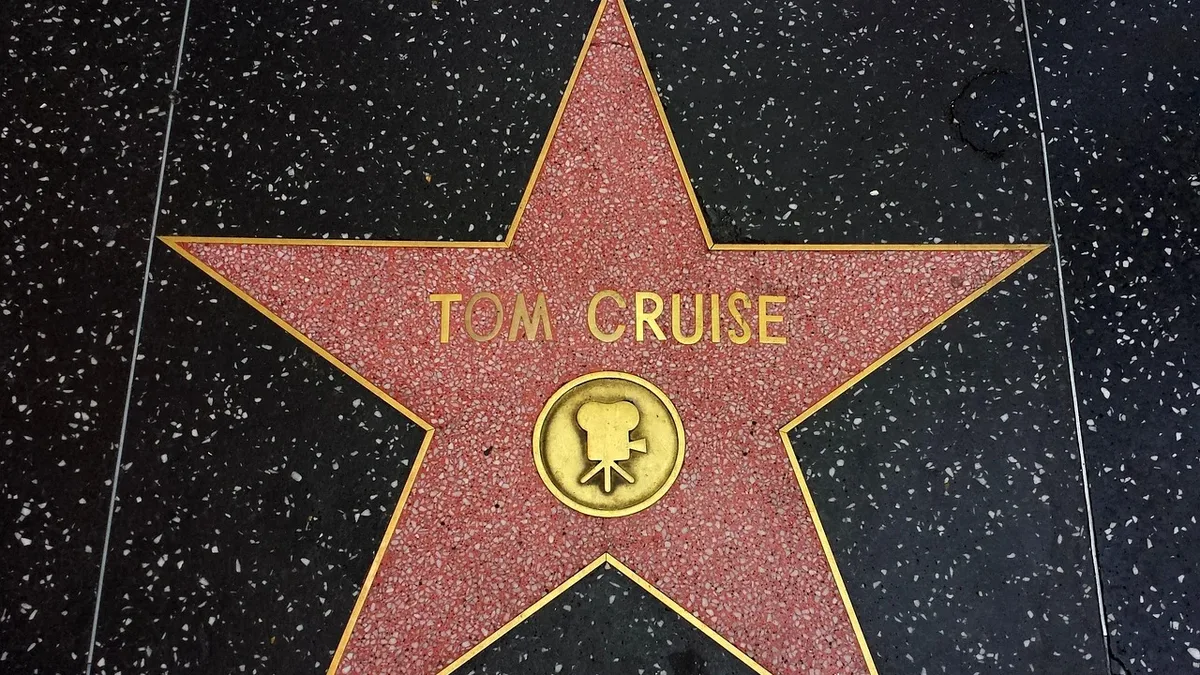
Tom Cruise Backs Paramount-Warner Merger
Tom Cruise has voiced support for Paramount's planned $110 billion acquisition of Warner Bros., calling it 'awesome' and endorsing the pledge to make...