Distribution And Exhibition
| Country of origin | United States |
|---|---|
| First created | 2010s |
| Original use | Digital content distribution platform |
| Initial release date | October 2015 |
| Primary distribution method | Streaming service |
| Primary exhibition format | Digital video on demand |
| Typical release pattern | All episodes released simultaneously |
| Performance metric | Viewership hours |
Origin and history
Distribution and Exhibition is a fundamental commercial and logistical process within the film and television industry. Its formal structures emerged in the early 20th century alongside the rise of the Hollywood studio system. The practice originated primarily in the United States, where studios vertically integrated production, distribution, and theater ownership. This model established the blueprint for how finished cinematic works reach audiences, a system that was later adopted and adapted globally. The history of distribution and exhibition is marked by significant shifts due to technological change, such as the advent of television, home video, and digital streaming. Antitrust legislation in the late 1940s, notably the Paramount Decrees, forced the separation of studio-owned theater chains, altering the exhibition landscape. The digital revolution of the 21st century has transformed the sector more profoundly than any change since the introduction of sound.
What it is for
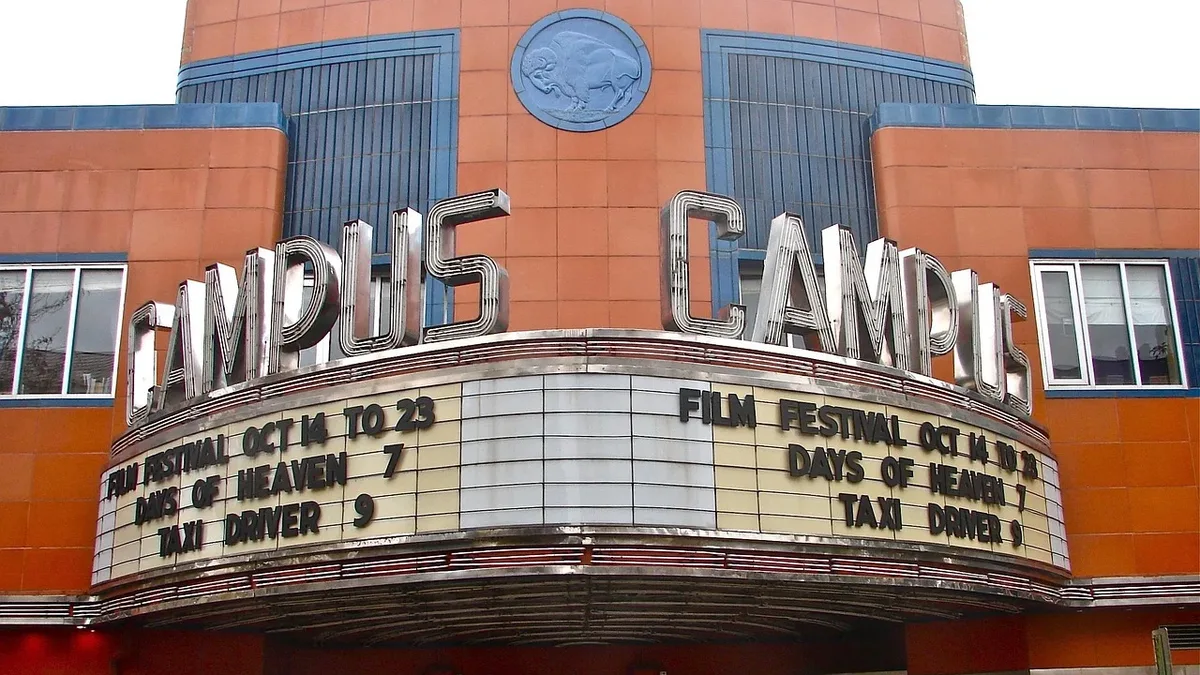
Distribution and Exhibition exists to deliver completed films and television content from producers to public audiences, thereby generating revenue. The distribution function involves licensing the rights to a film, creating physical or digital copies, and orchestrating its release across various territories and platforms. Exhibition refers specifically to the presentation of that content to viewers, historically in cinemas and now including digital streaming services. This pipeline is the essential commercial bridge between the creative act of production and the financial return required to fund future projects. It determines the scale, timing, and geographical availability of any release, directly impacting a title's cultural footprint and financial success. The strategies employed within distribution and exhibition, such as platform releases or day-and-date streaming launches, are critical business decisions that shape audience access.
Cast of Distribution And Exhibition
The key entities in distribution and exhibition are film studios, distribution companies, theatrical exhibitors, and digital platform operators. Major film studios, such as those within large media conglomerates, typically handle the distribution of their own produced and acquired content through dedicated divisions. Independent distributors specialize in acquiring rights to films, often from festivals or foreign markets, and managing their targeted release campaigns. Theatrical exhibitors are the cinema chains and independent theaters that license films for public screening, providing the physical venue and projection. Digital platform operators, including subscription video-on-demand (SVOD) services and transactional VOD platforms, have become dominant exhibitors in the modern era. Additional crucial roles are played by sales agents who broker international rights, and delivery services that handle the physical and digital logistics of getting content to venues.
Distribution And Exhibition ending explained
The "ending" of a film's traditional distribution and exhibition cycle is no longer a single event but a phased transition through sequential release windows. The cycle typically begins with an initial theatrical window, where a film is exhibited exclusively in cinemas for a period historically lasting several months. Following this, the film enters the home entertainment window, becoming available for digital purchase or rental, a phase formerly dominated by DVD and Blu-ray. Subsequently, it moves to pay-TV and subscription streaming services, which license the film for a set period. Finally, the film reaches ad-supported free television or basic cable, completing its commercial journey. The duration and order of these windows are now highly fluid and often compressed, with some strategies bypassing theaters entirely for a direct-to-streaming premiere.
Overview
Distribution and Exhibition constitutes the backbone of the screen industry's economy, encompassing all activities from a film's completion to its viewing. It is a highly structured, rights-based system governed by licensing agreements that specify territories, media, and time periods. Theatrical exhibition remains a prestige window, crucial for generating critical buzz, awards eligibility, and perceived value for subsequent windows. Non-thetical distribution, including physical media and digital streaming, now accounts for the majority of revenue for most films. International distribution is complex, involving local distributors in each territory who handle marketing, censorship, dubbing, and local platform deals. The entire process requires extensive coordination of marketing campaigns, logistical delivery, and revenue reporting back to the producers and financiers.
What to know
A film's release date is a strategically chosen point in the calendar, often avoiding competition or targeting seasonal audience patterns, such as summer blockbuster or awards seasons. The availability of a film is dictated by distribution rights, which are often sold territory-by-territory, meaning a film may release on different dates globally. Performance is measured by distinct metrics: theatrical box office revenue, home entertainment sales, streaming viewership hours, and critical reception. The traditional financial model involves the distributor taking a percentage of revenue, with the exhibitor (theater) retaining a share of box office ticket sales. "Day-and-date" releases, where a film opens in theaters and on streaming simultaneously, represent a significant modern disruption to the windowing system. Understanding distribution and exhibition is key to comprehending why some films receive wide global releases while others have limited availability.
Common questions
Why isn't a film available in my country? This is typically due to pre-sold distribution rights to a local company that has not yet scheduled a release, or a lack of a distributor for that territory. What is the difference between a distributor and a producer? The producer finances and oversees the creation of the film, while the distributor acquires the right to market and physically deliver it to audiences. How do cinemas decide which films to show? Exhibitors book films based on licensing agreements with distributors, anticipated audience demand, screen availability, and the terms of revenue sharing. Why do films leave cinemas so quickly? Theater booking is driven by weekly box office performance; a film with declining ticket sales will be replaced to maximize the theater's revenue per screen. What does a "wide release" mean? It indicates a film is opening simultaneously across a large number of theaters, often thousands, typically for major studio productions.
Pros and cons
A major pro of the traditional theatrical system is its ability to generate significant concentrated revenue and cultural impact through a communal viewing experience. The sequential windowing system allows for multiple revenue streams from the same product, maximizing its commercial potential over time. However, a significant con is the inefficiency and cost of physical distribution, including print manufacturing and logistics, which digital delivery has reduced. The system can disadvantage smaller independent films, which may struggle to secure screens in a crowded marketplace dominated by heavily marketed studio titles. A common mistake for filmmakers is misunderstanding distribution agreements, potentially leading to loss of rights or inadequate marketing support from the distributor. Many producers regret opting for a poorly negotiated all-rights deal with a distributor that lacks the resources or expertise to properly exploit the film in key markets.
Who it suits
The traditional theatrical distribution model best suits big-budget spectacle films, family animations, and franchise titles that benefit from large-screen immersion and broad marketing campaigns. Platform release strategies, starting in limited theaters before expanding, are well-suited to specialist independent films, documentaries, and awards contenders seeking critical validation. Direct-to-streaming or day-and-date releases suit mid-budget genre films, sequels to streaming franchises, and content where audience convenience is prioritized over theatrical spectacle. International sales and territory-by-territory distribution suit filmmakers with niche appeal or strong cultural specificity, allowing for targeted marketing in receptive regions. The system inherently suits well-capitalized distributors and studios with the infrastructure to navigate its complexity, while posing a high barrier to entry for new players without established relationships.