Horror
| Release date | Varies by title |
|---|---|
| Streaming service | Varies by title |
| Theatrical distributor | Varies by title |
| Box office gross | Varies by title |
| Home media format | Varies by title |
| Critical reception | Varies by title |
| Aspect ratio | Varies by title |
| Runtime | Varies by title |
Origin and history
The horror genre finds its origins in the Gothic literature of 18th-century Europe, primarily England. This literary movement established the core templates of atmosphere and dread, with seminal works like Horace Walpole's *The Castle of Otranto* (1764) creating the blueprint. The 19th century saw the genre solidify through the works of authors like Mary Shelley, Edgar Allan Poe, and Bram Stoker, exploring themes of scientific transgression, psychological terror, and the monstrous. The advent of cinema in the late 19th and early 20th centuries provided a new, powerful medium for horror, with early German Expressionist films like *The Cabinet of Dr. Caligari* (1920) visually defining unease. The genre proliferated through the Universal monster films of the 1930s and the atomic-age anxieties of the 1950s, continually adapting to societal fears. Its evolution is marked by distinct waves, such as the socially conscious horror of the 1960s and 1970s and the slasher boom of the 1980s, proving its enduring and adaptable nature across centuries.
What it is for
The primary function of the horror genre is to simulate fear and dread within a safe, controlled environment for the audience. It serves as a narrative space to confront universal anxieties about death, the unknown, bodily violation, and the loss of sanity or control. Horror often acts as a vessel for social commentary, using monstrous metaphors to critique contemporary issues like societal alienation, scientific hubris, or political oppression. The genre provides a cathartic experience, allowing audiences to process real-world fears through symbolic, fictional extremes. It is designed to elicit a spectrum of physiological and emotional responses, from tension and shock to sustained dread and, at times, relief. Furthermore, horror functions as a cultural and communal ritual, particularly in cinematic form, where shared reactions become part of the collective viewing experience.
Pros and cons
A significant pro of the horror genre is its capacity for profound thematic depth, using its conventions to explore complex human psychology and social issues in an accessible, visceral way. It offers reliable, intense entertainment for its audience, delivering predictable pleasures like suspense and startling scares within unpredictable narratives. The genre is also notably resilient and adaptable, constantly evolving to reflect new cultural fears and technological advancements in media. A central con is that execution is highly variable, and poor craftsmanship can render a horror project unintentionally humorous or boring rather than frightening. Many viewers regret choosing certain horror subgenres, such as extreme body horror or relentless psychological terror, which can lead to genuine distress rather than cathartic entertainment. A common mistake for creators is prioritizing graphic spectacle over building atmospheric tension or developing compelling characters, resulting in a hollow experience that fails to sustain fear.
Who it suits
The horror genre suits audiences actively seeking emotional stimulation through fear and the adrenaline rush associated with suspenseful or startling content. It is well-suited to viewers and readers who appreciate metaphor and subtext, as horror often provides a lens for examining societal and personal anxieties indirectly. Fans of specific cinematic or literary craftsmanship, such as practical effects, atmospheric sound design, or tightly plotted suspense, often find dedicated rewards within the genre. It also suits those who enjoy communal viewing experiences, where shared reactions in a theater or among friends enhance the engagement. Conversely, the genre does not suit individuals who are highly sensitive to graphic imagery, themes of violence, or sustained psychological tension, as exposure can cause significant discomfort. It is generally a poor fit for those seeking purely optimistic or straightforward narratives without ambiguity, darkness, or unresolved dread.
Latest Horror news
Latest reporting

Hangtime and Severin Films to Remake Fulci's The Beyond
Hangtime International Pictures and Severin Films have partnered to remake Lucio Fulci's 1981 horror classic The Beyond, the first in a planned slate...
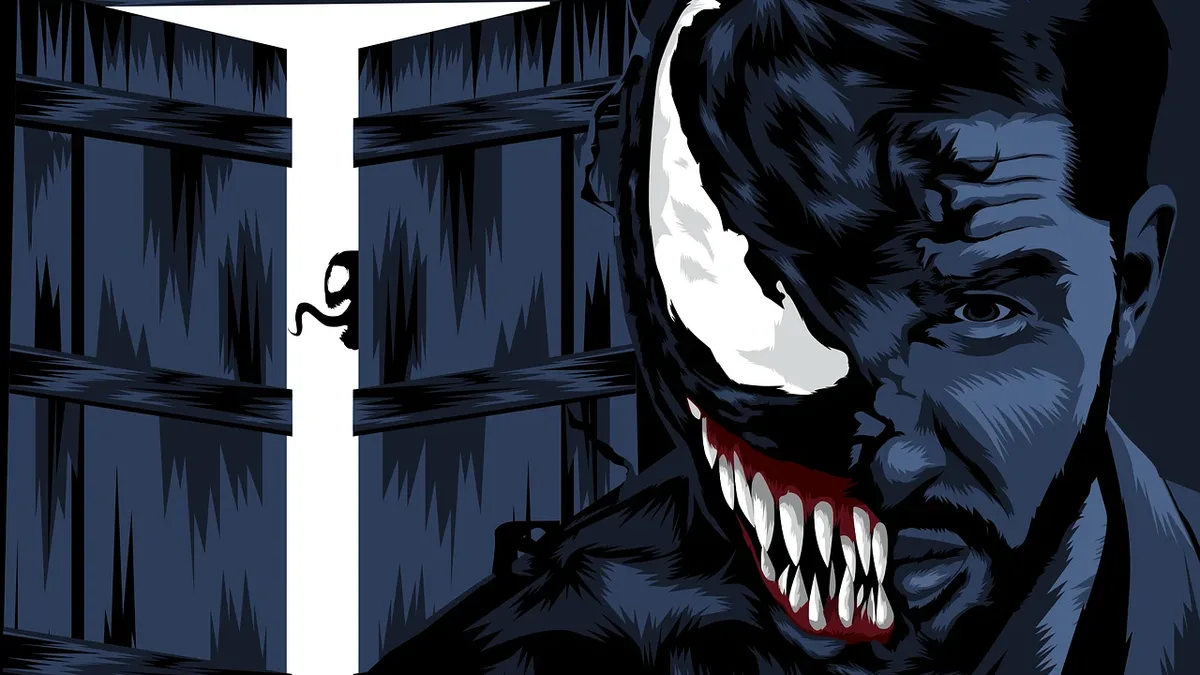
Seth Gabel Returns as Jeffrey Dahmer in American Horror Story: 13
Seth Gabel reprises his role as Jeffrey Dahmer in the sixth episode of 'American Horror Story: 13'.
Zach Cregger's Resident Evil Review: Relentless Survival
Zach Cregger's new Resident Evil film strips the franchise back to a 90-minute survival horror focused on an ordinary man's nightmarish journey, a...

Matthew Lillard and Amber Midthunder Join Body Horror 'Rot'
Matthew Lillard and Amber Midthunder are set to star in 'Rot,' the feature directorial debut of Alexandra Magistro.

A24's Undertone uses nested horror stories
The 2026 horror film Undertone, from writer-director Ian Tuason, weaves three interconnected narratives to create its unsettling effect.
Kane Parsons to direct Backrooms 2 for A24
Director Kane Parsons will helm the sequel to his hit horror film 'Backrooms' for A24, following the original's massive financial success.