Marvel Cinematic Universe
| Country of origin | United States |
|---|---|
| First created | 2000s (first film released 2008) |
| Original use | A shared universe of superhero films and media |
| Release schedule | Multiple films and series per year |
| Primary distribution | Theatrical and streaming (Disney+) |
| Box office performance | Highest-grossing film franchise |
| Critical reception | Generally positive to mixed |
| Media format | Feature films, television series, short films |
Origin and history
The Marvel Cinematic Universe (MCU) is a media franchise and shared fictional universe that originated in the United States. Its development began in the mid-2000s, spearheaded by Marvel Studios, which was then a relatively new production company. The foundational concept was to create a series of interconnected feature films featuring characters from Marvel Comics, a departure from the standalone superhero movies common at the time. The first official film in the franchise, "Iron Man," was released in 2008 and established the core narrative and tonal template. This launch was a significant financial and critical risk, as the film's success was not guaranteed and was crucial for funding future interconnected projects. The long-term planning involved a multi-phase narrative structure, an approach largely unprecedented in cinema, which was publicly outlined by Marvel Studios leadership in the early 2010s.
What it is for
The Marvel Cinematic Universe is a framework for producing and releasing a continuous sequence of interconnected films and television series. Its primary function is to tell a sprawling, serialized narrative across multiple media platforms, with individual stories contributing to larger, overarching plots and character arcs. The structure is designed to encourage audience investment over many years, as viewers follow developments from one project to the next. From a commercial perspective, it functions as a content ecosystem where successful characters and stories can spawn sequels, spin-offs, and merchandise, creating a self-sustaining business model. The franchise also serves to reintroduce and modernize comic book characters and lore for a global mainstream film audience, often blending genres like superhero action with espionage, fantasy, and comedy. Furthermore, it establishes a consistent corporate brand identity for Marvel Studios, ensuring audience recognition and expectation across all its releases.
Pros and cons
A significant pro of the MCU is its unprecedented success in building a cohesive, long-form narrative across dozens of films, creating a deep sense of ongoing continuity and event storytelling that rewards dedicated viewers. The franchise has demonstrated a strong ability to introduce lesser-known comic characters to a wide audience and develop them into major cultural icons, often through charismatic casting and accessible storytelling. However, a major con is the phenomenon of "superhero fatigue," where the sheer volume of required viewing and a perceived formulaic approach to plot and humor can lead to audience burnout and diminishing critical returns. The interconnected nature can also be a detriment, as individual films or series may feel like obligatory narrative stepping stones rather than satisfying standalone stories, potentially compromising artistic vision for franchise synergy. Common viewer regrets often involve the time commitment needed to stay current and the disappointment when specific character arcs are concluded unsatisfactorily or altered for broader franchise needs. Furthermore, the dominance of this model has been criticized for influencing the wider film industry to prioritize shared universes and tentpole franchises at the potential expense of mid-budget, original filmmaking.
Who it suits
The Marvel Cinematic Universe suits viewers who enjoy long-term serialized storytelling and the satisfaction of seeing plot threads and character development pay off over many years and across different media. It is ideal for fans of superhero genre conventions, large-scale visual effects, and action set pieces, often blended with consistent doses of humor and character-driven moments. The franchise suits audiences who appreciate a familiar narrative structure and tonal consistency, providing a reliable form of entertainment with predictable beats and a generally optimistic outlook. It is also well-suited to communal viewing cultures, as its major releases become widespread cultural events discussed in social and online circles. Conversely, it is less suited to viewers who prefer strictly self-contained films, those seeking consistently challenging or auteur-driven cinema, or audiences who are weary of CGI-heavy blockbuster aesthetics. The extensive backlog can also be daunting for new viewers, though key entry points are often identified by the fan community for those unwilling to commit to the entire chronology.
Latest Marvel Cinematic Universe news
Latest reporting
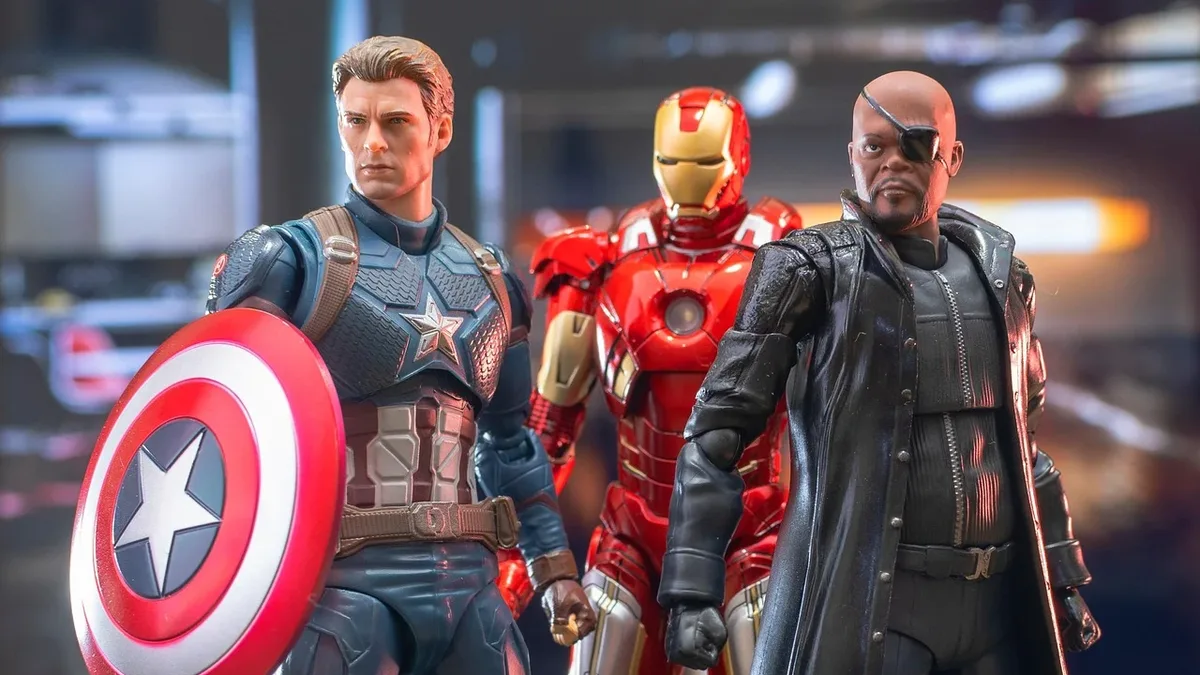
10 Avengers Joined the Team for Questionable Reasons
A ScreenRant report details ten Marvel superheroes whose initial motivations for joining the Avengers were based on personal ambition, exile, or...
Hope Director & Star Detail Alien Universe & Cast Chemistry
Director Na Hong-jin and star Hoyeon discuss the tonal balance, alien creation, and on-set chemistry of the Korean blockbuster Hope ahead of its U.S.
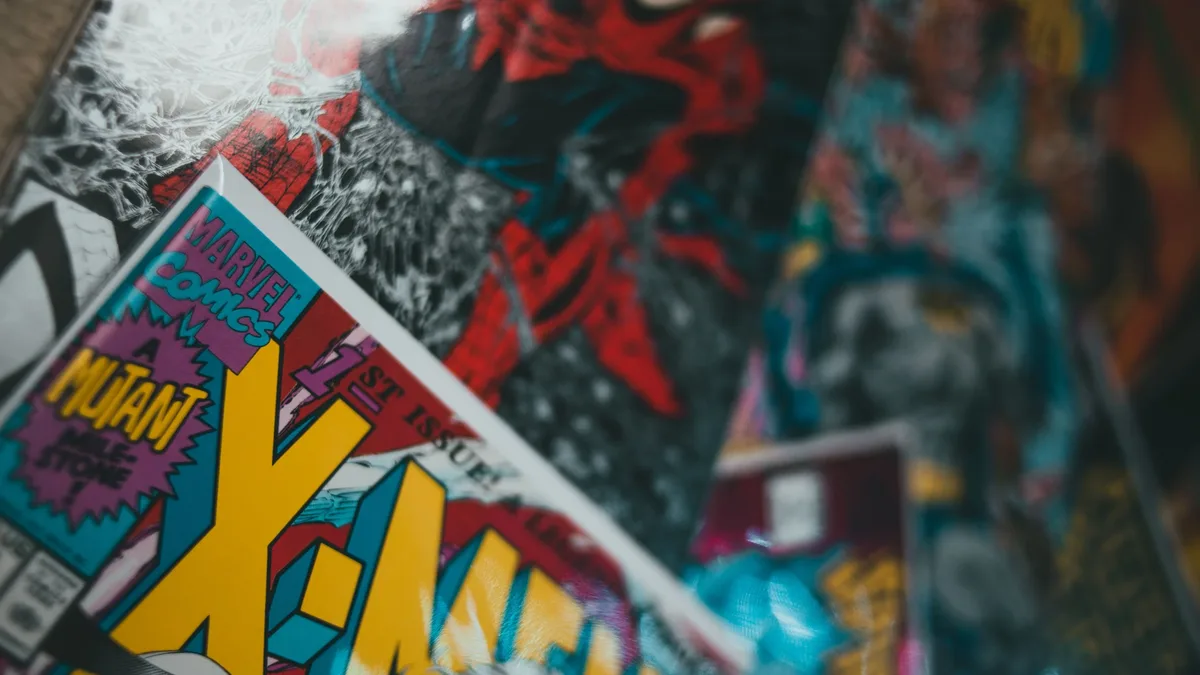
Marvel's Midnight X-Men Reboot Launches October 2026
Marvel Comics will launch its dark 'Midnight Universe' reboot of the X-Men in October 2026, featuring a vampire war and a creative team led by writer
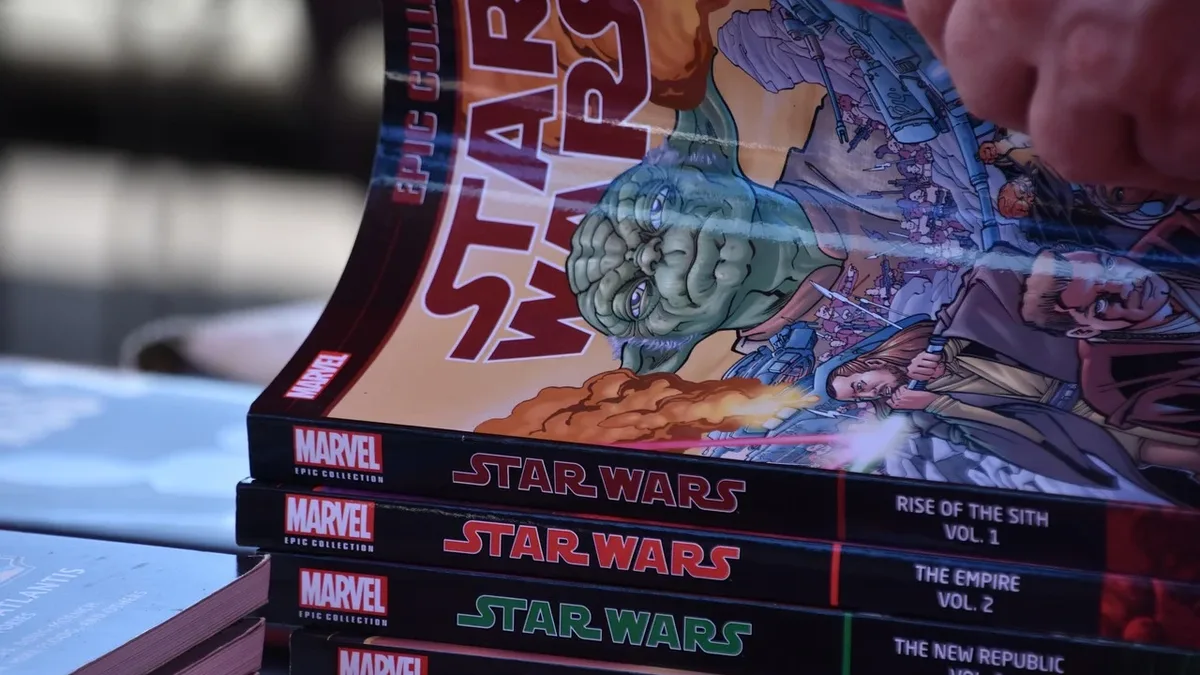
Book of Boba Fett Comic Returns Cobb Vanth in 2026
Marvel Comics releases Star Wars: The Book of Boba Fett #6 on November 25, 2026, featuring Cobb Vanth vs. Cad Bane and exploring Grogu's future.
September 2026 Video Game Releases List
A lineup of new video games arrives in September 2026, including major titles like Marvel's Wolverine, The Blood of the Dawnwalker, and Onimusha: Way...
Guardians of the Galaxy's Most Powerful
A look at the seven most formidable heroes to have served on Marvel's Guardians of the Galaxy team in the comics, from Quasar to Adam Warlock.