The Devils Rerelease Draws Crowds to Chicago's Music Box
Ken Russell's controversial 1971 film 'The Devils' is enjoying a sold-out limited theatrical rerelease in its restored director's cut, sparking renewed discussion of its themes.
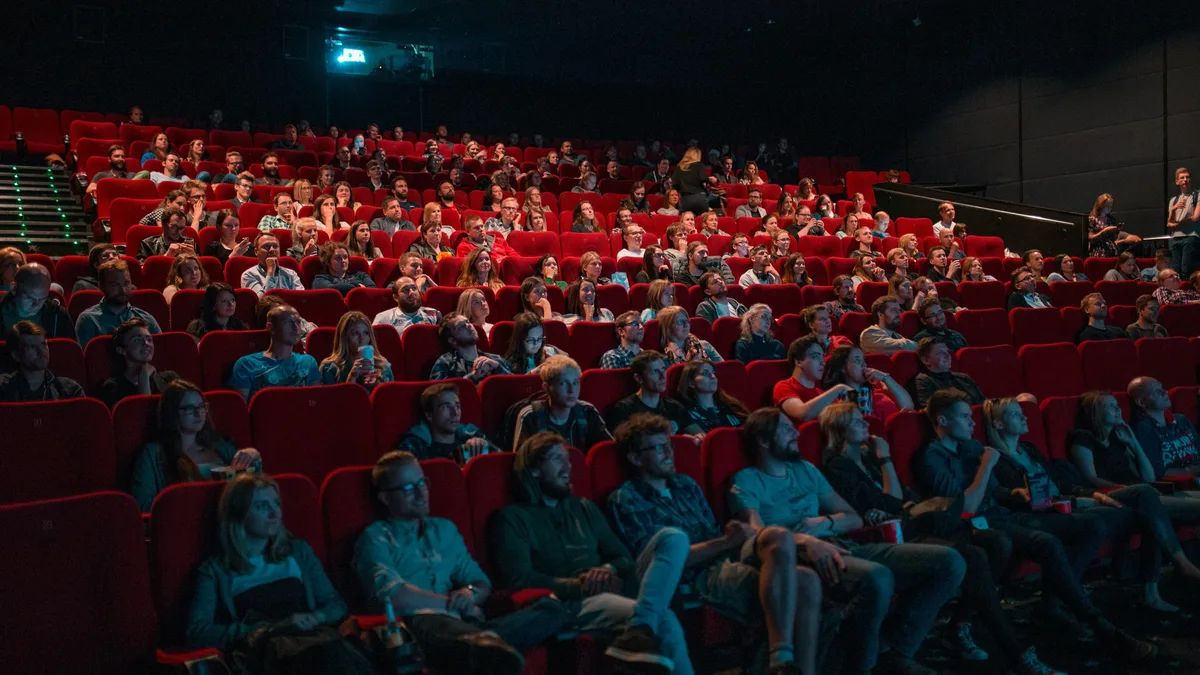
Ken Russell's 1971 religious epic The Devils is being shown in a limited theatrical run at Chicago's Music Box Theater, with screenings selling out and drawing diverse audiences. The rare one-week engagement, which included a surprise second-week extension, represents the first formal release of the uncensored director's cut in decades. Screenings at Chicago's Music Box Theater sold out, accounting for the second largest share of the restoration's opening-weekend box office. The venue is described as one of metropolitan America's premier destinations for arthouse cinema.
Restoration brings director's intended vision
Warner Bros. commissioned a restoration of the film's complete, uncensored director's cut for this theatrical engagement after decades of censorship and limited availability. The film had been difficult to find for decades outside of low-quality releases and torrents. This restoration, handled by Warner Bros.' new boutique imprint Clockwork, allowed audiences to experience Ken Russell's intended vision in a restored, high-quality format for the first time in generations. The film was heavily censored and widely banned upon its initial release, with Warner Bros. itself demanding cuts that still resulted in an X rating in the U.S. and U.K.; other countries banned it outright.
Controversial themes resonate with modern viewers
The film's exploration of religious suppression, power abuse, and misogyny continues to attract audiences despite its history of bans and censorship. Set in the 17th-century French town of Loudun, it follows priest Urbain Grandier, played by Oliver Reed, who is accused of witchcraft by a convent of sexually repressed nuns led by Sister Jeanne Des Anges, played by Vanessa Redgrave. Its themes of the violence of authority, the obscenity of power, and the cynicism of religious authorities were seen as relevant to contemporary issues. Theatrical screenings were described as 'magical' and 'worth the wait' by multiple attendees. The restoration was announced as a one-week engagement with potential for extension, a promise fulfilled with added screenings.
Audience experience and community
Theatrical screenings created a communal viewing experience described as 'magical' and 'once-in-a-lifetime' by attendees, contrasting with streaming alternatives. Interviews with 20 audience members revealed a diverse crowd including families, older viewers, and younger cinephiles. The experience was described as a 'choice rather than a necessity' in the current era of streaming and rising ticket prices. This sense of community was occasionally tested by disruptive behavior, including phone use and shouting during some screenings. The film's controversial nature, featuring extended sequences of nudity, sacrilege, lust, and bloody violence, has long contributed to its cult status and sustained interest. The restoration was promoted as a rare opportunity to see the film as intended by the director, known for his sweeping, ostentatious romanticism and flair for dramatics.
The film is based on Aldous Huxley’s The Devils of Loudun and John Whiting’s stage play The Devils. Its production featured early work by set designer Derek Jarman and a score by Peter Maxwell Davies. The cast includes notable performances from Christopher Logue as Cardinal Richelieu, Graham Armitage as Louis XIII, and Dudley Sutton as Baron de Laubardemont. The film's one-week theatrical engagement at the Music Box Theater offered a concrete, ephemeral counterpoint to the permanence of digital libraries. Father Urbain Grandier's defiant statement captures the film's rebellious spirit: "I could never be Satan’s boy. I haven’t the humility."